

How Yoga Can Help You Write
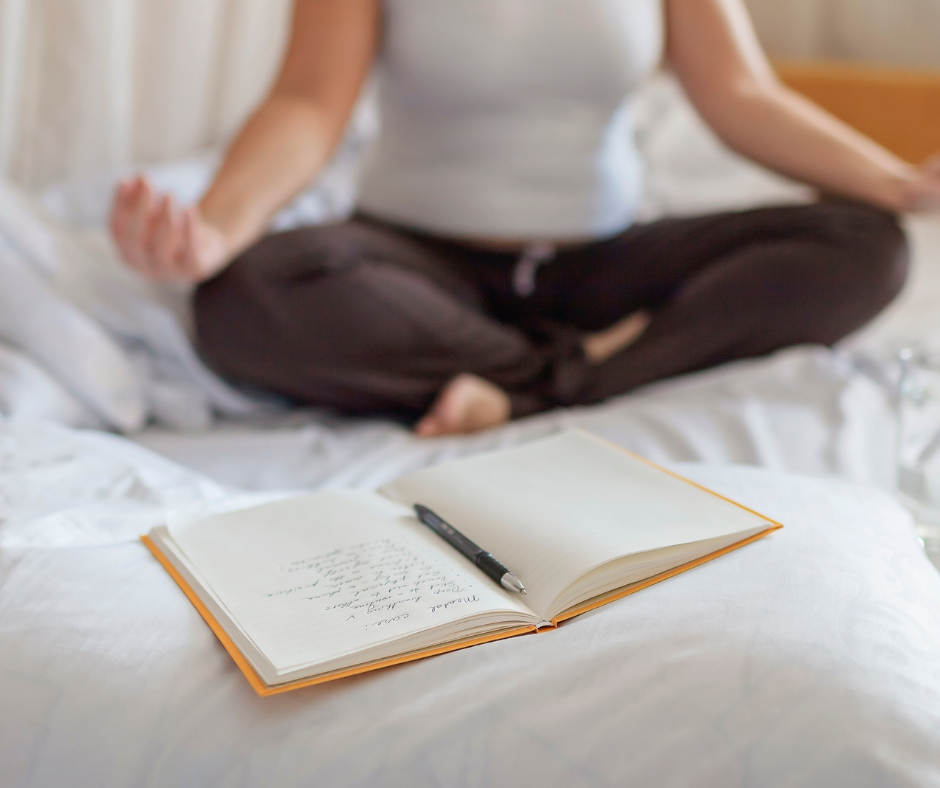

Before reading further, pause for a moment to feel your feet on the floor. Don't change anything. Don't arrange your posture. Just notice.
Notice where your feet meet the ground. Notice the weight of your body in your chair or wherever you may be reading from. Notice whether one foot feels different from the other. Notice whether you are leaning back or forward, whether you are up straight or rounded. Notice the quality of the air against your skin.
Also, notice whether your breathing and posture and shape changed the moment you paid attention to your feet.
That's it. That’s all you need to be creative: to notice.
The Moment of Inspiration
Now ask yourself: what does the moment of inspiration look like for you?
Sometimes inspiration does arrive out of the blue while we're sitting at our desks. But for most of us, that's not where we get inspired.
InsteadNo, our ideas show up in the shower. On a walk. While driving. While folding laundry. While washing dishes. In short, while doing something that has absolutely nothing to do with writing or painting or whatever our medium happens to be.
This suggests that creativity may not be about trying harder, but rather about paying attention differently.
Staying Present with Yoga and Creativity
Before creativity produces anything, it notices something. A detail. A sensation. A question. A moment most people walk past.
A writer notices a strange phrase or takes a bite of a madeleine. A poet notices a patch of light or observes a grasshopper. An artist notices a feeling they can't quite explain or gazes up at the starry sky.
The creative act starts long before the making. It starts with attention.
Yoga starts the same way. Not with pretzel-like flexibility. Not even with touching your toes. But rather with breath. Most classes begin with a few moments of centering, either seated, on your back, or standing in Mountain Pose. As the class progresses, the instructor will direct you to notice where you're gripping or holding tension in your body, where you're forcing, where your mind wanders, then return your attention to your breath as the way through.
Yoga trains attention in the body. Creativity trains attention on the page.
Both practices ask us to stay present long enough to notice what's actually present, which sounds simple. But it's surprisingly difficult.
In yoga, if your mind wanders, you notice and come back to your breath or the sensation of your feet on the floor. Writing isn't that different. You notice something and create toward that sensation or question you can’t quite answer.
Both practices ask us to slow down enough to notice what is actually happening. Not what we think should be happening. Not what happened yesterday. Not what might happen tomorrow.
And if we stay with it long enough, it often opens into something larger. A pose becomes an experience. A detail becomes an image. An observation becomes a poem. Not because we forced it. Because we paid attention and followed it.
Cultivating Attention
Intellectually, we know attention matters. We've all had the experience of being fully present in a conversation, in a piece of writing, or on a walk, and noticing how different it feels from the rest of our lives.
But if we’re being truly honest, we know it's not where most of us live most of the time.
Who amongst us hasn’t put their car in park and realized they can’t remember a single thing about the drive? It’s almost as though we popped from one place to another. Who hasn’t lost the thread of a conversation because we looked at that pop-up alert on our phones. Our toast burns because we pulled it out fifteen seconds too late.
You cannot notice what you are not present for. You cannot write from somewhere you aren’t. And that is why grounding matters for creative work specifically. Not because it makes you calm. Not because it magically produces ideas. But because creativity begins with noticing.
If you're in your head — running yesterday's argument or tomorrow's deadline — you are going to miss the detail. The sensation. The question. The thing that was right there waiting to become a poem.
Grounding, on the other hand, brings you back to the place where noticing is possible. There are many misconceptions about grounding, that it’s a state one achieves where they are zen and unbothered and totally plugged in. But that’s totally wrong.
Grounding is not perfection, it is simply knowing where the ground (literally and metaphorically) is, so that when you drift, and you will drift, you know how to come back.
A Simple Trick to Ground Yourself
One of the easiest ways to begin grounding is to plant your feet firmly on the ground and begin to notice what it’s like. It’s a way of saying to yourself, “I am here.” The 5-4-3-2-1 technique is another popular method: 5 things you can see, 4 things you can touch, 3 things you can hear, 2 things you can smell, and 1 thing you can taste.
Both bring you to your present moment and provide the noticing that leads to creation.
The Return
What keeps pulling you away? What keeps bringing you back? They're two sides of the same practice. The pulling away isn't a failure. What matters is the return.
As you move through your creative practice, you're going to drift. Your mind is going to wander to your inbox or your manuscript or whatever you're worried about this week. That's fine. Notice it. And come back. That noticing, that return, is the whole thing. In yoga and on the page.
Don't try to answer the question. Just keep it somewhere nearby while your body does its work. Let it be a question your feet spend some time with.
Before You Go…
Return to a comfortable seat and feel your feet on the floor. Notice if anything has shifted.
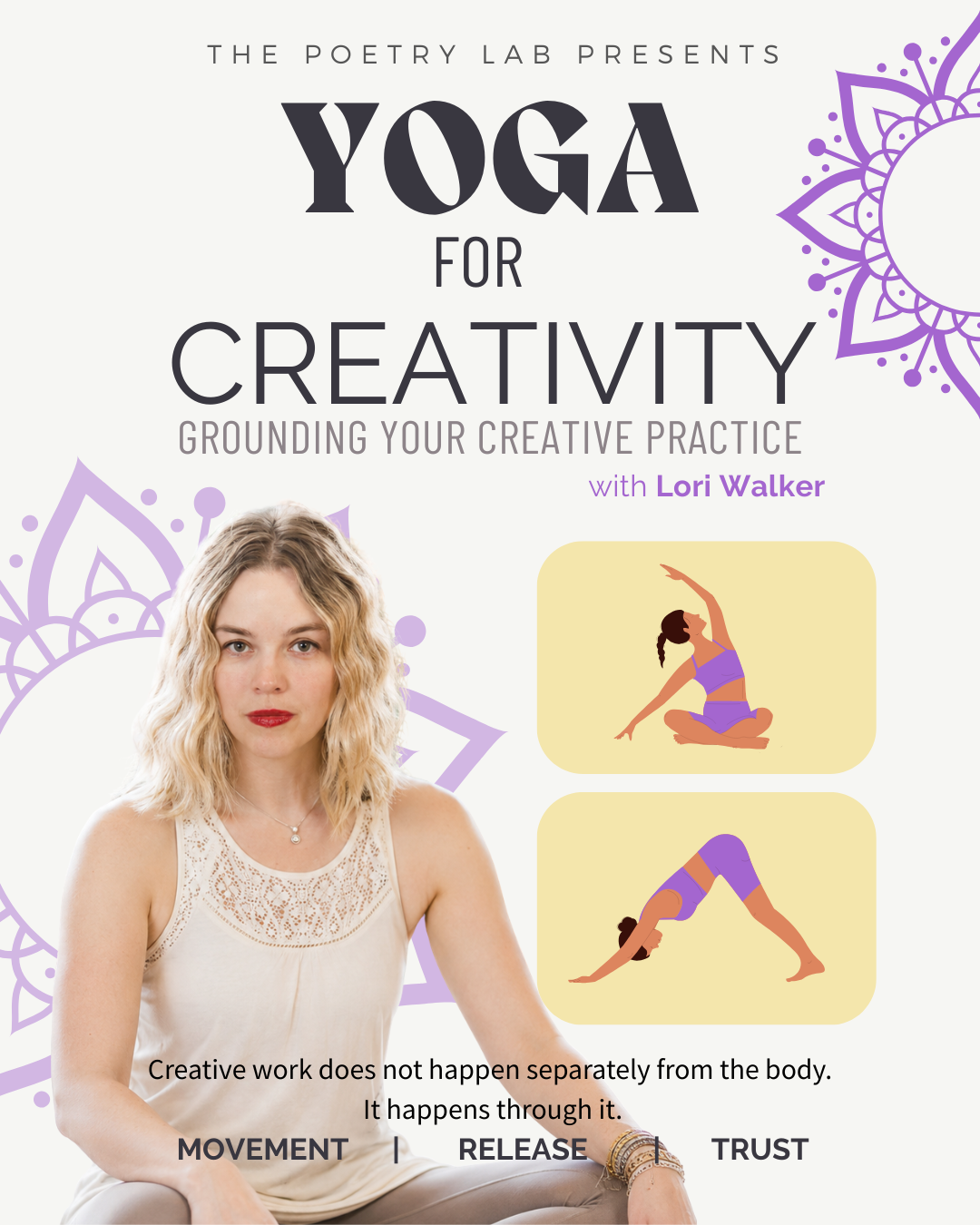
If you liked this article, check out Yoga for Creativity! It’s 6 weeks of pairing the creative process with yoga. It runs Sundays, July 12-August 16, 8am-9:30am PT or 11-12:20 ET.
Perfect to do right before brunch.
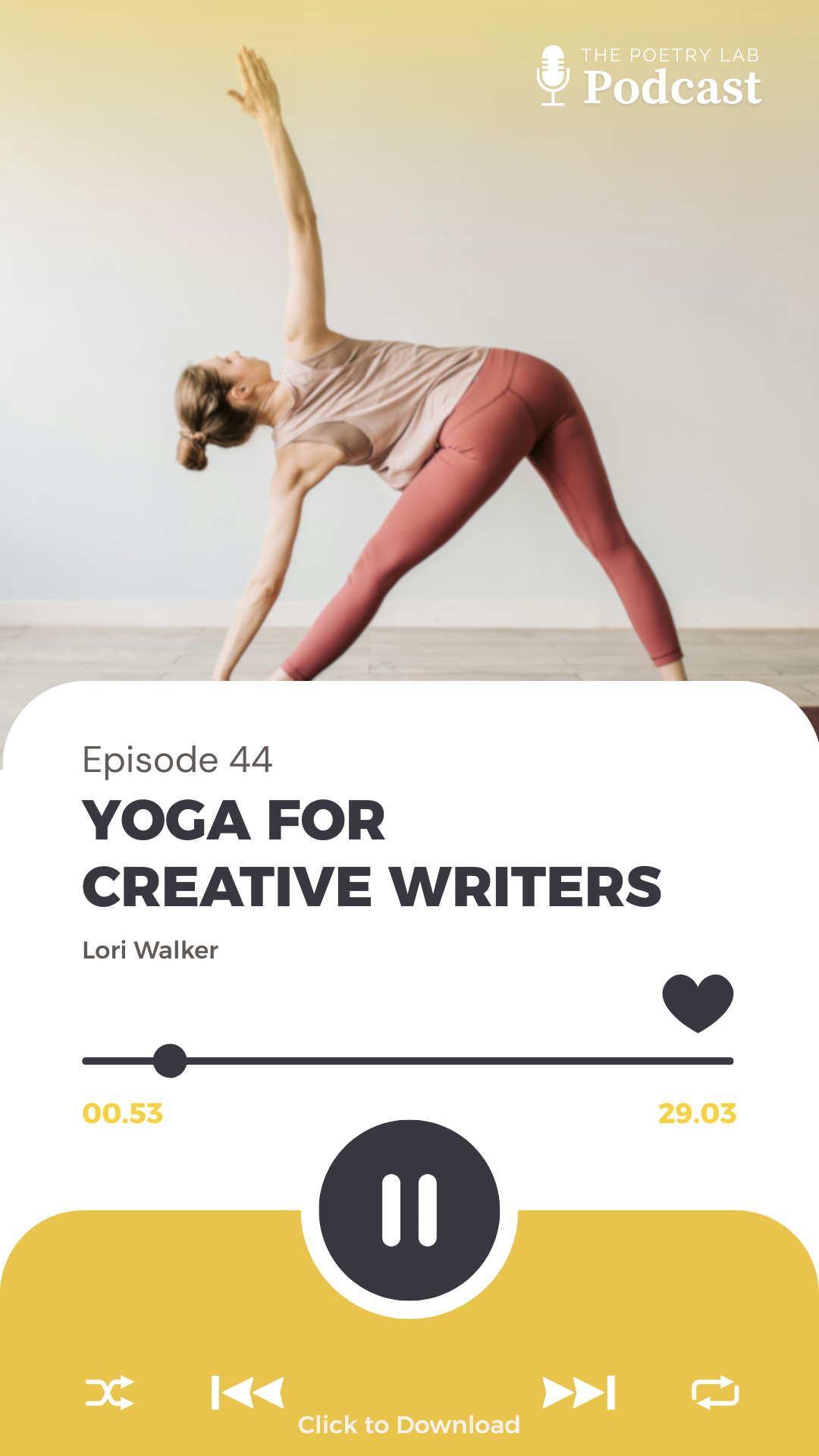
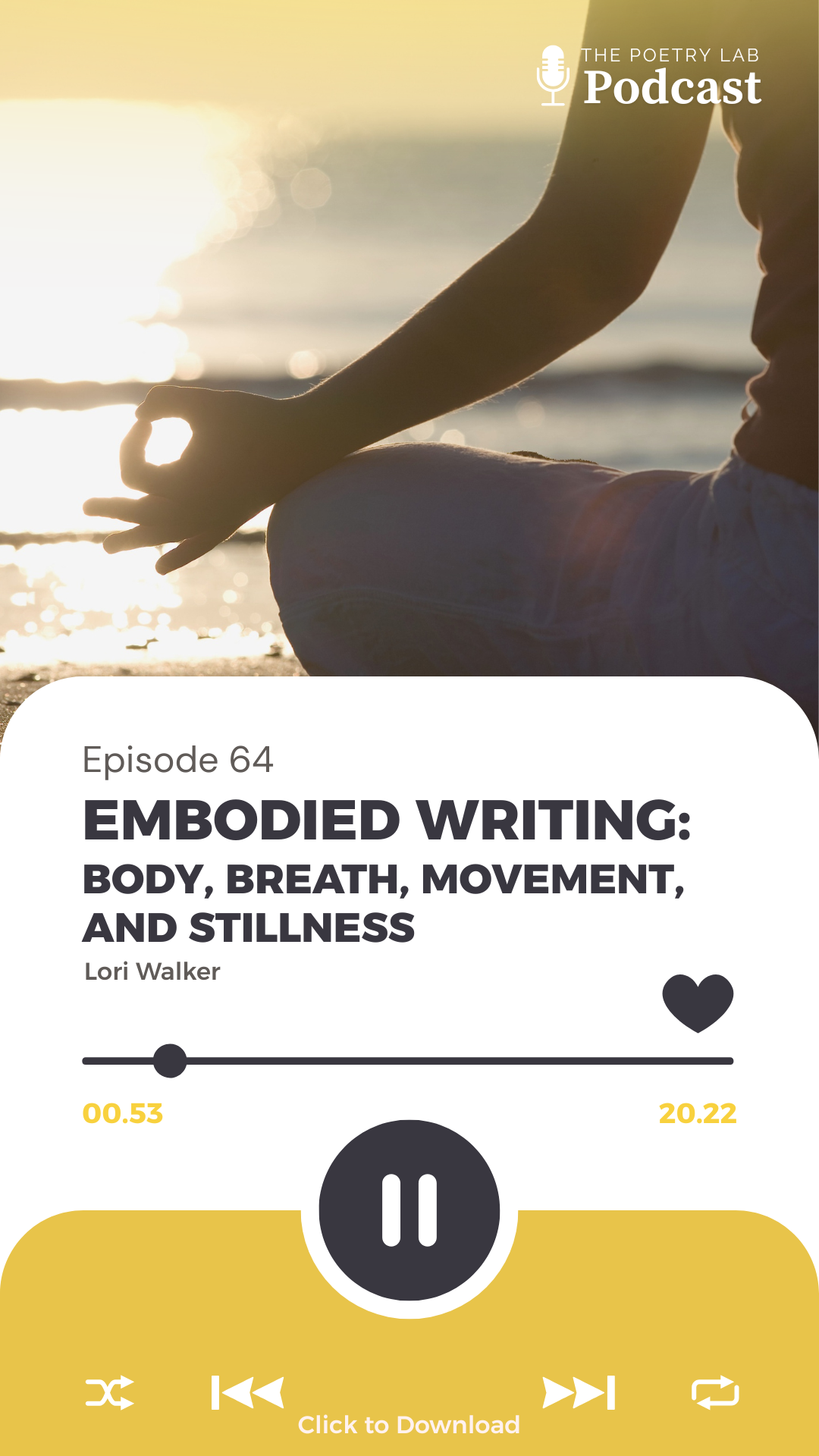
More yoga for writers on The Poetry Lab Podcast🎧






This article was published on July 7, 2026. Written by: