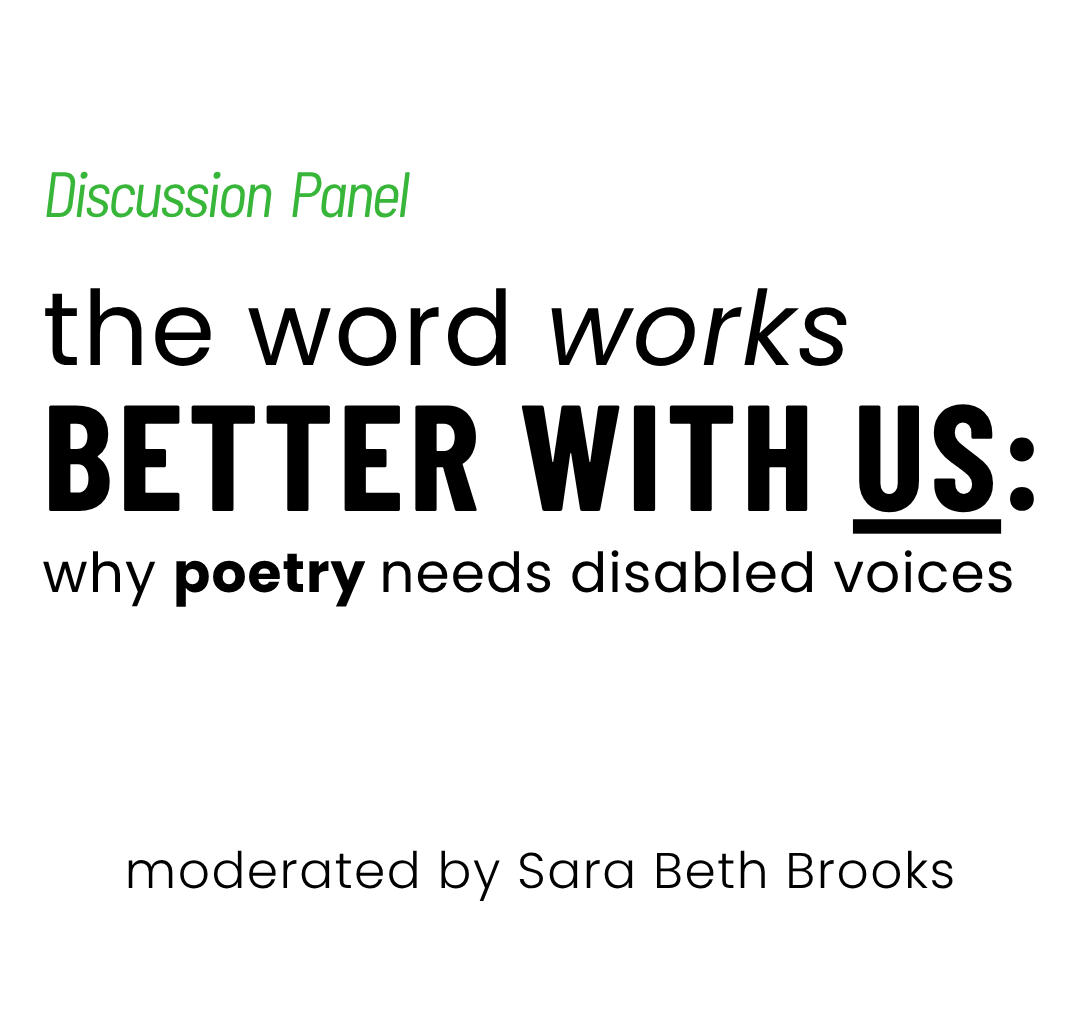
THE POETRY LAB PRESENTSWhat can disabled poets teach us about language, imagination, and the future of poetry? Join five acclaimed poets for a live conversation exploring why disabled voices are essential to contemporary literature and why disabled poetics belongs at the center of literary conversation.
Tuesday, July 28, 2026
5:30pm PT - 7:30pm PT
FREE via Zoom



Disabled Poetics.
5 poets in conversation.
Like so much art created by minority groups, disabled poetics is often viewed as only for disabled people. This panel seeks to reframe poetry about disabled experiences as important and valuable for non-disabled audiences.
We want to invite writers to widen their lens and understand the intrinsic value of poetry about disability.
Meet the Panelists
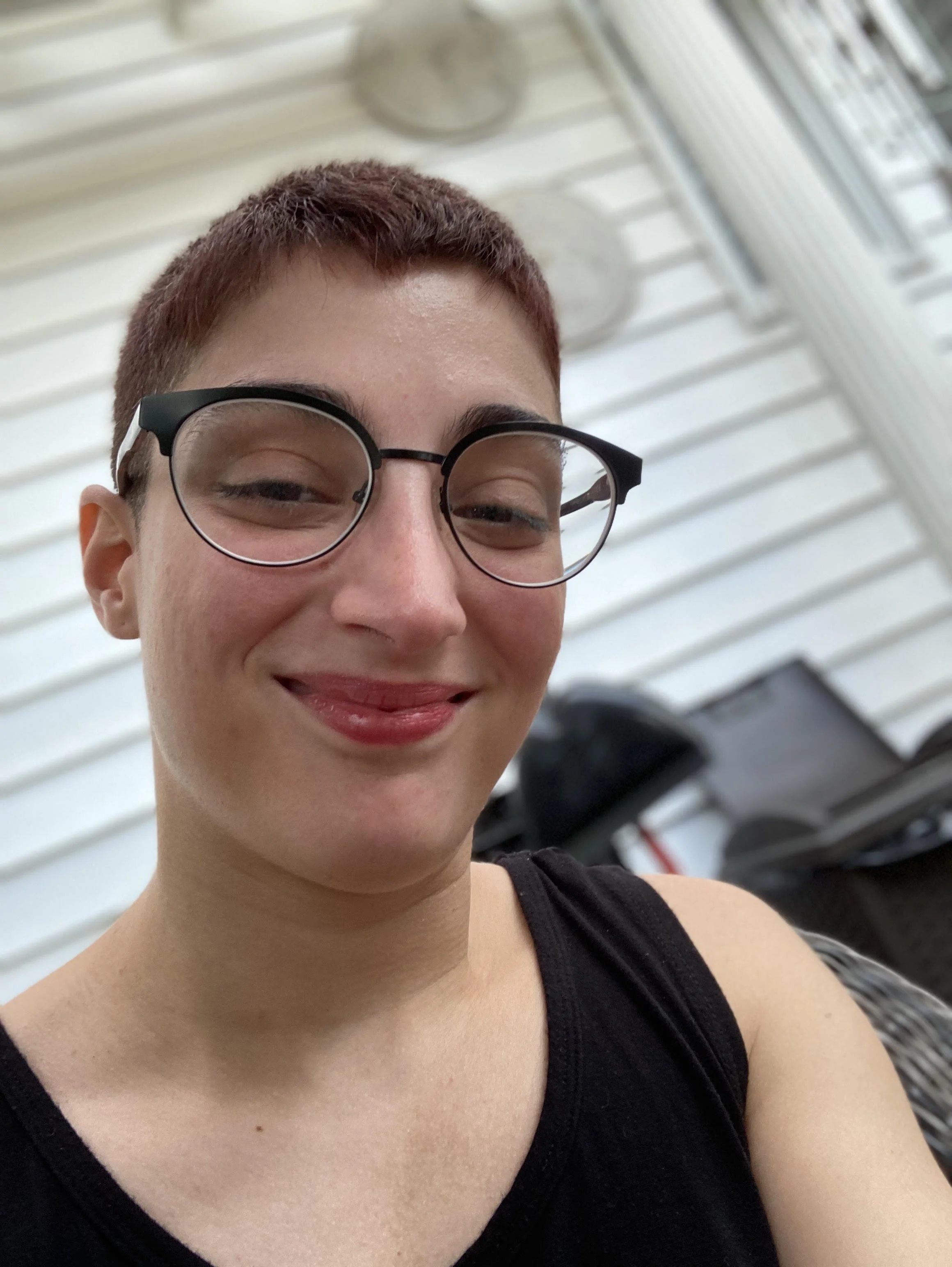
torrin a. greathouse
torrin a. greathouse (she/they) is an award-winning transgender cripple-punk poet and essayist. They are the author of DEED (Wesleyan University Press, 2024), winner of a 2025 Stonewall Book Award and Wound from the Mouth of a Wound (Milkweed Editions, 2020), winner of the 2022 Kate Tufts Discovery Award. greathouse has received fellowships from the National Endowment for the Arts, the Effing Foundation for Sex-Positivity, Zoeglossia, The Ragdale Foundation, and the University of Arizona Poetry Center. She received her MFA in creative writing from the University of Minnesota and teaches at the Rainier Writing Workshop, the low-residency MFA program at Pacific Lutheran University.
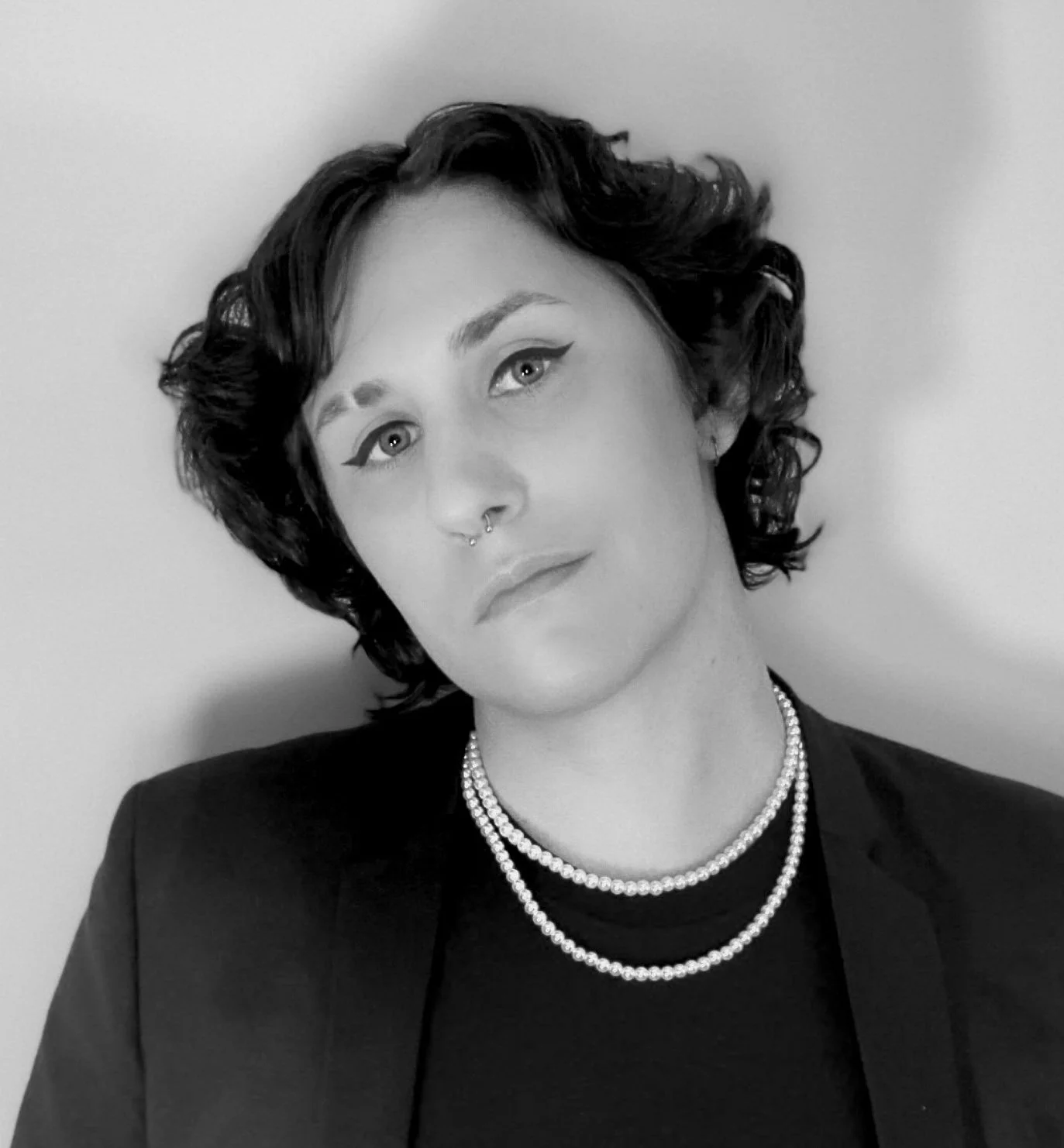
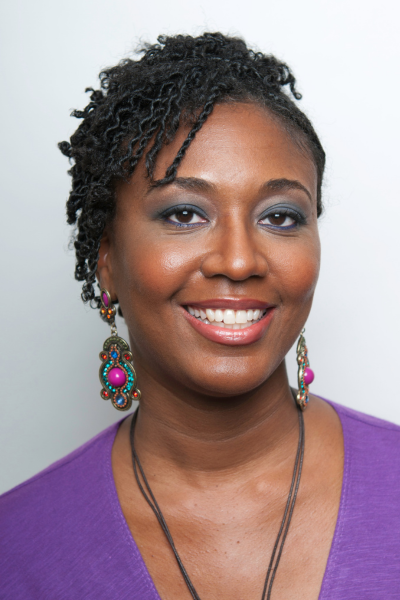
Camisha L. Jones
Camisha L. Jones (she/her) is the author of the poetry chapbook Flare and co-editor of Every Place on the Map is Disabled: Poems and Essays. Her poems have been published at Poets.org, The New York Times, The Deaf Poets Society, The Quarry: A Social Justice Poetry Database at Split This Rock, Typo, Button Poetry, and elsewhere. With over 30 years experience as a program and arts administrator, she has led and cultivated access-centered gatherings and practices for arts organizations such as Split This Rock, Kinetic Light’s LAB, and Zoeglossia. Jones is a 2022 Fellow of Disability Futures.
Liv Mammone
Liv Mammone (she/her) is an editor and poet from Long Island. Her poetry has appeared with Button Poetry, The Poetry Foundation, The Academy of American Poets, The Medical Journal of Australia, and in many places. In 2017, she competed for Union Square Slam and was a finalist in the Capturing Fire National Poetry Slam in 2017. A Brooklyn Poets Fellow and Zoeglossia fellow, she is currently an editor at Game Over Books. In 2022, hers was one of the top ten most read poems at Split This Rock’s poetry database, The Quarry. Her first collection, Fire in the Waiting Room is available from Game Over Books. Find her at livmammonepoems.com
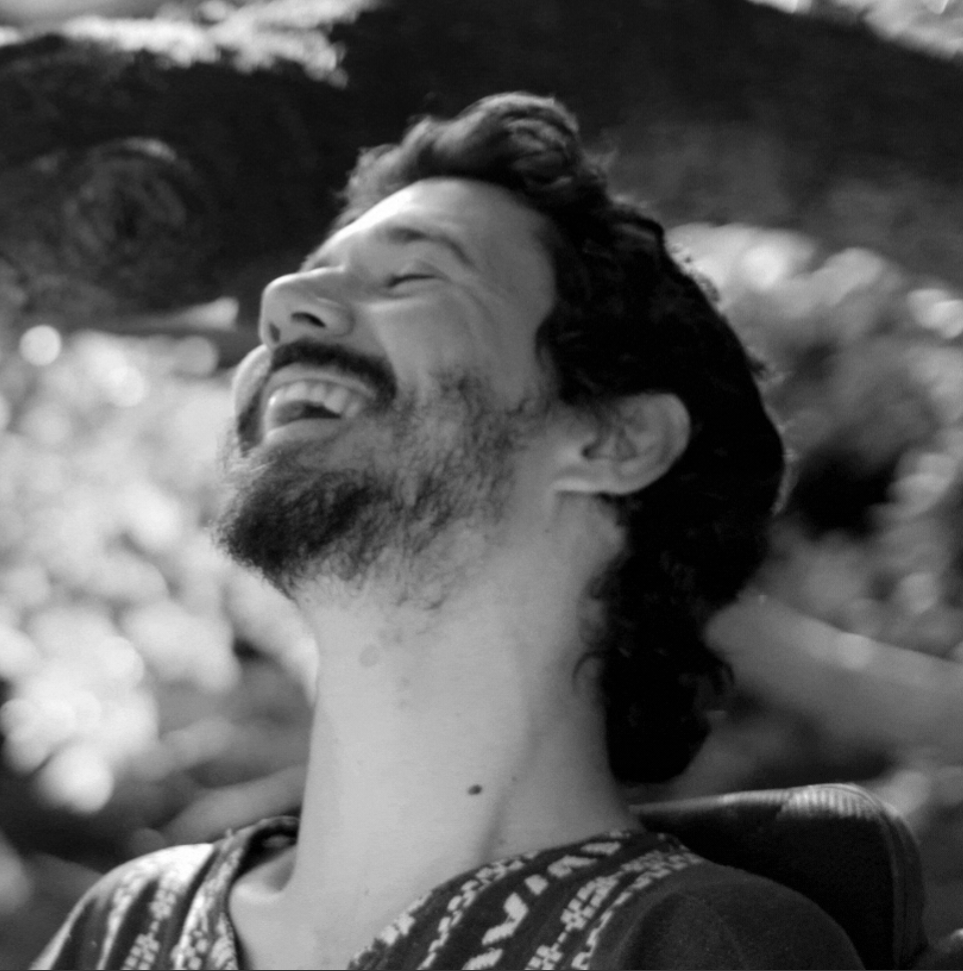
Ekiwah Adler-Beléndez
Ekiwah Adler-Beléndez (he/him/el) was born in Amatlán, Morelos in 1987. A dual US-Mexican citizen, Ekiwah is a bilingual and bicultural poet, speaker, teacher and disability activist. Ekiwah has published six poetry books and presented at universities, festivals and literary forums in Mexico, the U.S. and abroad. The recipient of the George Garrett Award for Literary Excellence and Distinguished Teaching by the Association for Writers and Writing Programs (AWP), Ekiwah is devoted to bringing poetry to spaces where voice is often silenced, such as clinics, hospitals, jails, rehab centers, homes for the elderly, and low-income schools.
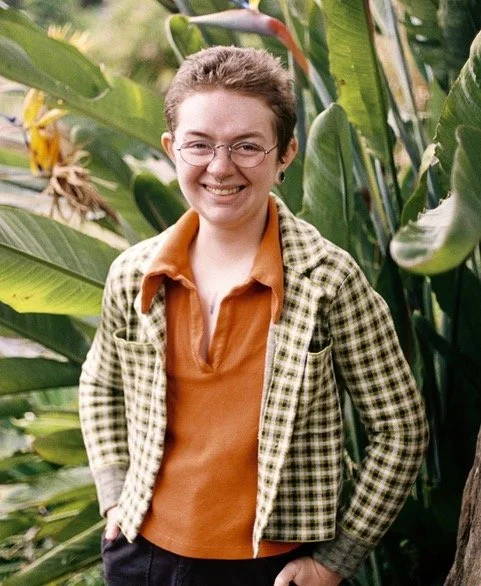
Cavar
[sarah] Cavar is the author of Failure to Comply (featherproof books, 2024) and Differential Diagnosis (Northwestern University Press, 2026). They edit manywor(l)ds.place, and have had work featured in Electric Lit, The Rumpus, The Offing, and elsewhere. Cavar holds a PhD in Cultural Studies and Science & Technology Studies from the University of California, Davis, and their scholarship engages queercrip and transMad knowledge production and community formation. Cavar can be found online at www.cavar.club, @cavar on bluesky, and at librarycard.beehiiv.com.
Meet the Moderator
Sara Beth Brooks (she/they)
is a queer and disabled self-taught poet and teaching artist. Their work has appeared in Squawk Back, Eunoia Review, Rogue Agent, Tiny Spoon Literary Magazine, and more. They have been supported by Seventh Wave, The Poetry Society of New York, and The Heart of It.
Sara Beth brings lived experience, artistic rigor, and a strong commitment to disability justice to every workshop they teach.

Join us live on July 28 and take part in the conversation.